
Limiting your edge case solution to specific users is a mistake.

How many times have you heard that you need to segment your audience, personalize the experience, and build custom flows?
This is all good…
But what if too much focus on customization blinds you to widely applicable solutions?

#1 Solving different needs
The OXO brand is a brilliant example.
Their Good Grips line of kitchen utensils was originally designed for individuals with arthritis. The soft, non-slip handles addressed a specific need for accessibility, making cooking easier and more comfortable for people with limited hand strength.
But here’s the twist: their solution didn’t just help those with arthritis—it elevated the experience for everyone.
The same soft, ergonomic design made OXO utensils a joy to use for people of all ages and abilities.
By solving a specific problem, they created a product that resonated universally.

Another great example is the development of automatic subtitles.
Initially, this feature was created to address the needs of the deaf and hard-of-hearing community. It gave them access to spoken content in a way that was previously inaccessible.
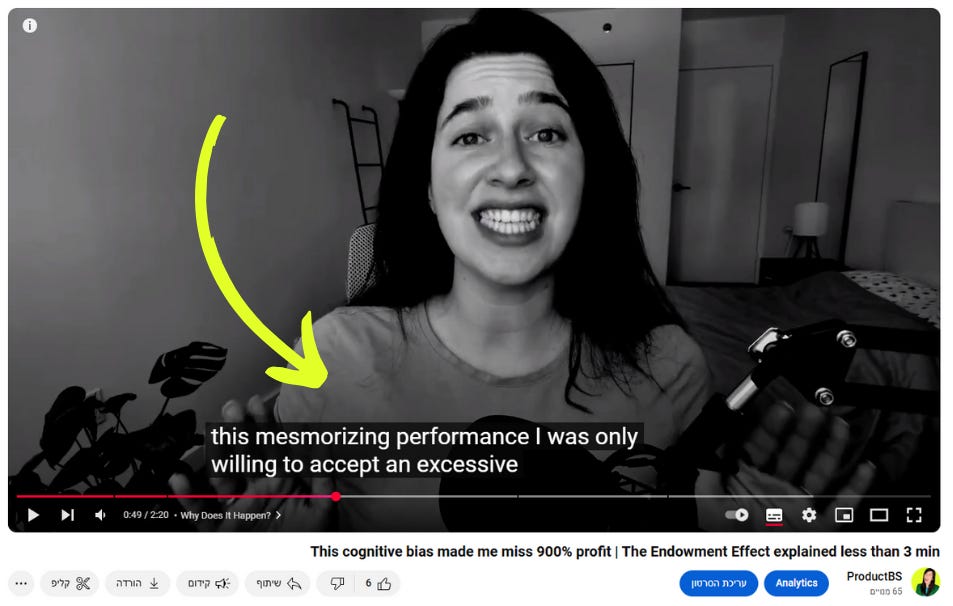
But soon, subtitles became a feature the entire population relies on. Can’t listen to a video in public without your headphones? Watching late at night and don’t want to wake up your family? Subtitles have you covered.
What started as a niche accessibility feature became a near-universal convenience.
BTW if you want to watch this full video go here.
#2 Solving different behaviors
Users often surprise us with how they interact with a product.
They might use the same flow to achieve entirely different goals.
Take this scenario: you are watching a movie and think “God, where have I seen that actor before?”
Amazon Prime Video anticipated this behavior with its X-Ray feature, which provides details about the actors in a scene.
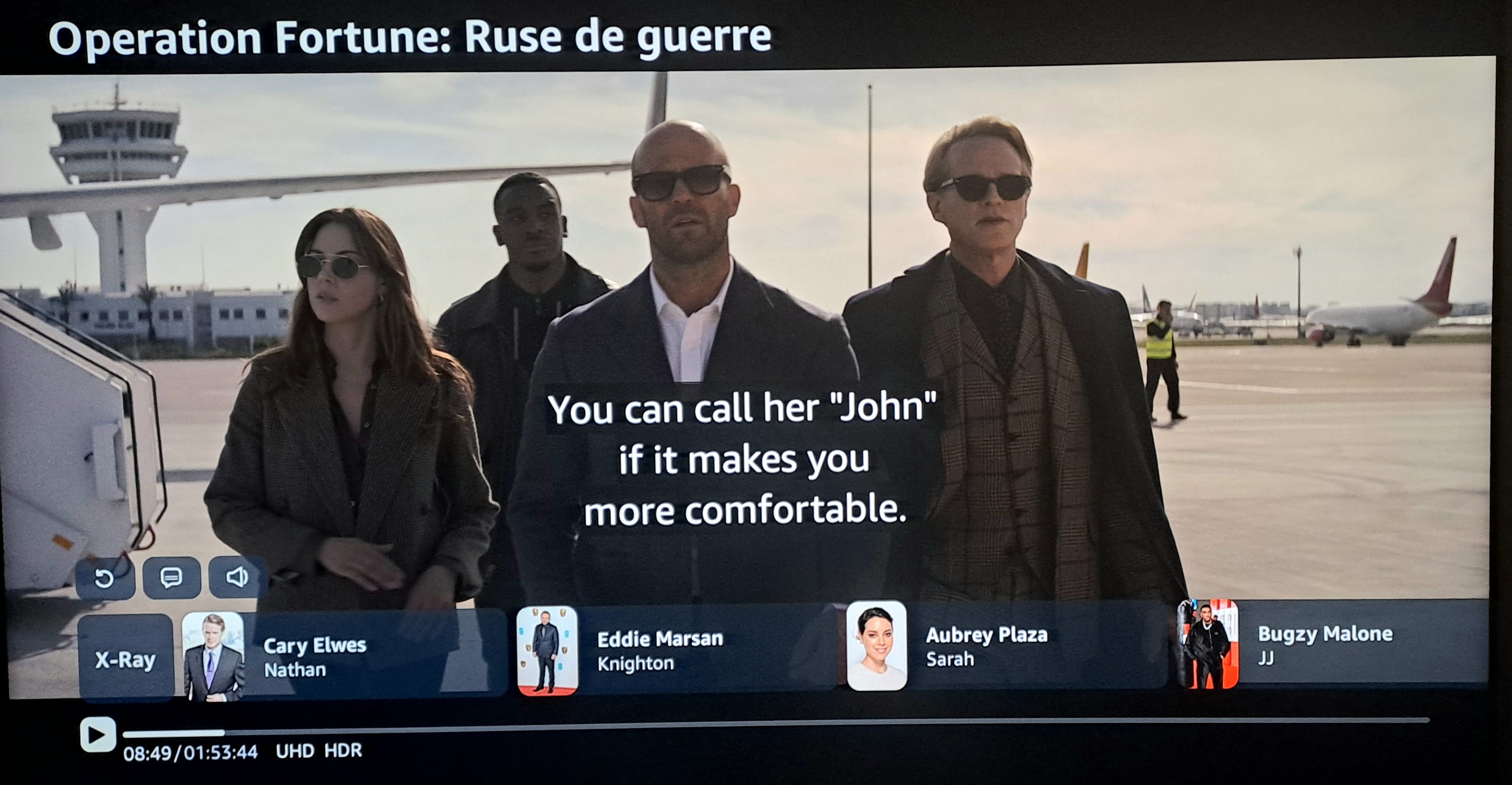
This feature addresses a very specific need, but it enhances the experience for everyone—due to the way it was implemented.
Whether users are pausing to scratch that itch of curiosity or simply pausing for popcorn 🍿 - they would see this great feature.
Of course what worked here is also the fact that it didn’t delay users in their flow - it only offered additional value.
The Takeaways
Don’t automatically narrow down your specific solution - identify possible benefits for other user segments.
Listen to customers; maybe they are onto something you’ve missed. You can do this by analyzing the data, asking them about their current routines, and more.
Pretty simple right?
See you next week,
-Yael